Spring is the most inspiring moment in the Cape Floral Kingdom and enthusiasm for gardening reaches its zenith. Many people would have been inspired by Leon Kluge’s “After the Fire” Chelsea Flower Show in Stanford; the fields of colourful daisies in Namaqualand, which flowered earlier than usual this year; and the extraordinary bulb diversity up in Nieeuwoudtville and in the small Renosterveld flower reserves scattered around Darling. If you missed these this year, it’s worth diarising for your 2027 Spring Calendar. Open Gardens across the Cape also take place in late October and early November: a few that I would highly recommend visiting include: Freshwoods and Fairholme in Elgin and Rustenberg in Stellenbosch.
Local is lekker: Plants adapted to sandy soils
Capetonians frequently find their properties located on sandy soils (beach sand). One option is to try enriching your soil to support growing your preferred species. An alternative option is to grow locally indigenous plants already adapted to these sandy conditions. Following a hike at Silvermine, which is bursting with new life after recent fires, I thought it worth sharing a few species I spotted that are easy-wins in your sandy garden.
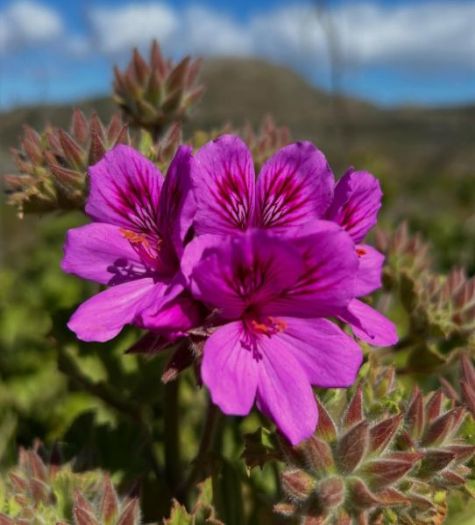
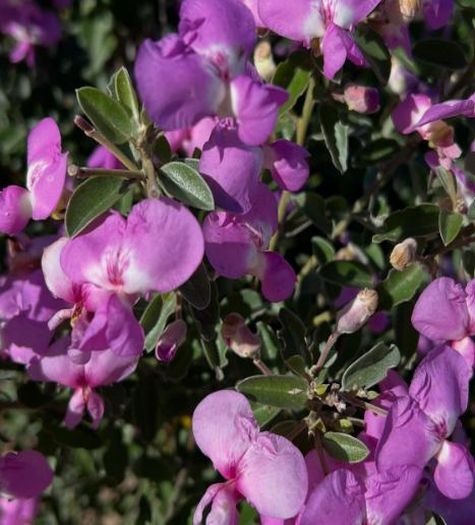
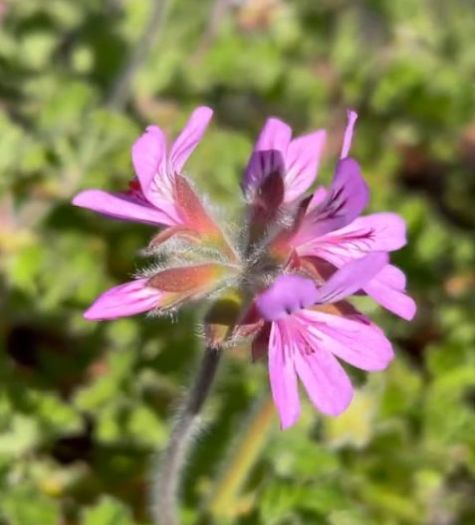
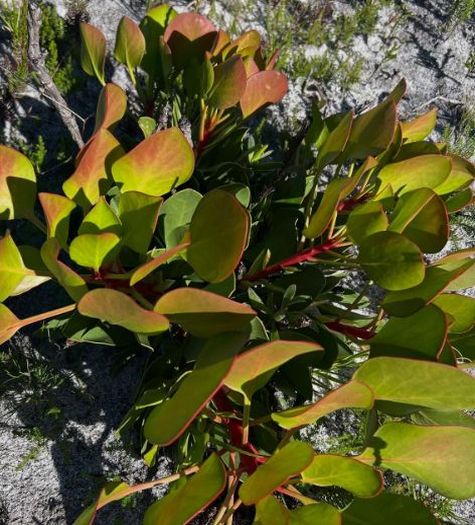
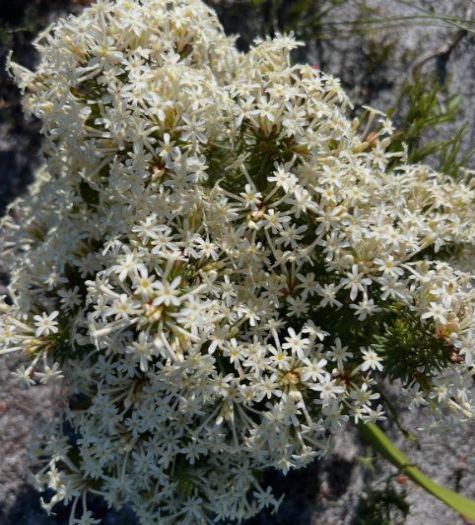
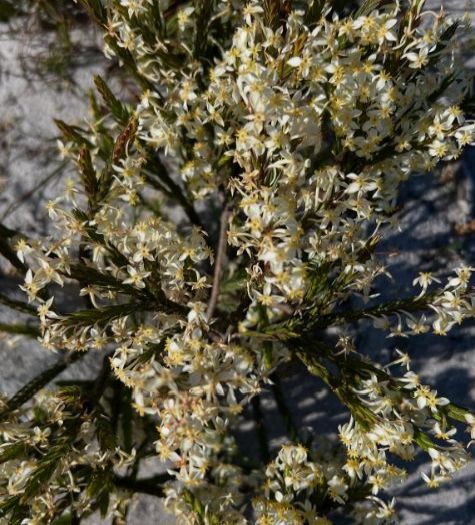
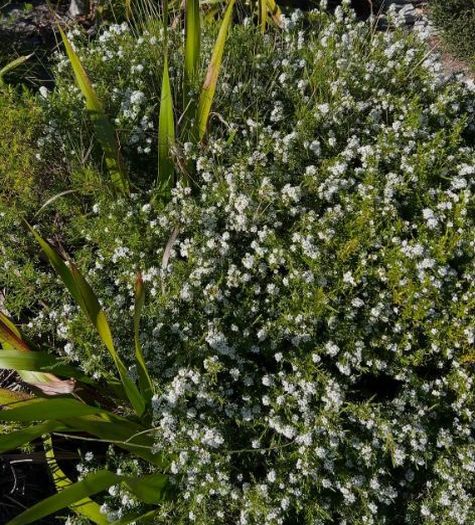
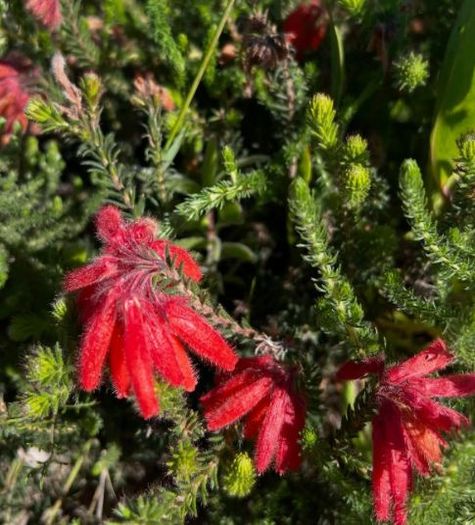
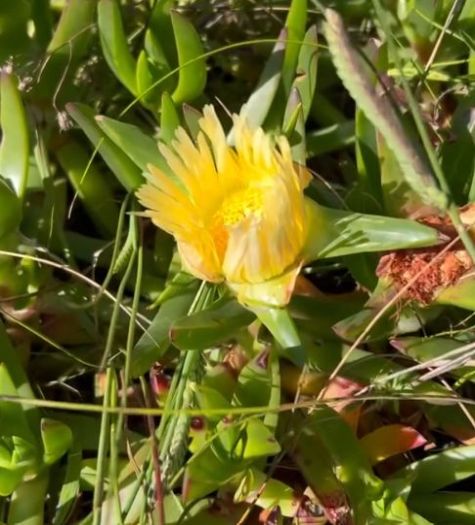
Happy shopping and gardening in your sandy soil garden! 🌸
A dreamy flower garden in the Loire Valley
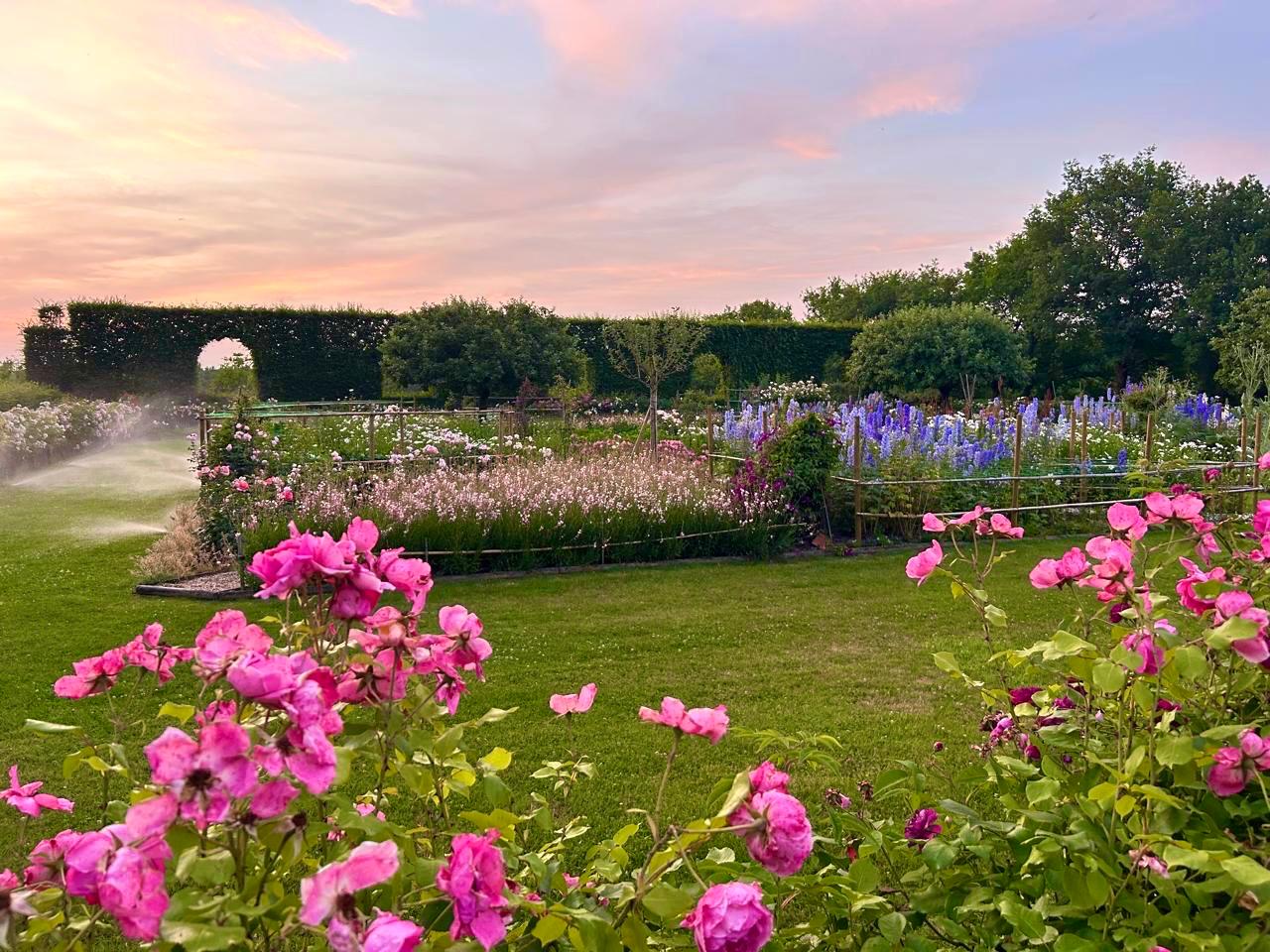
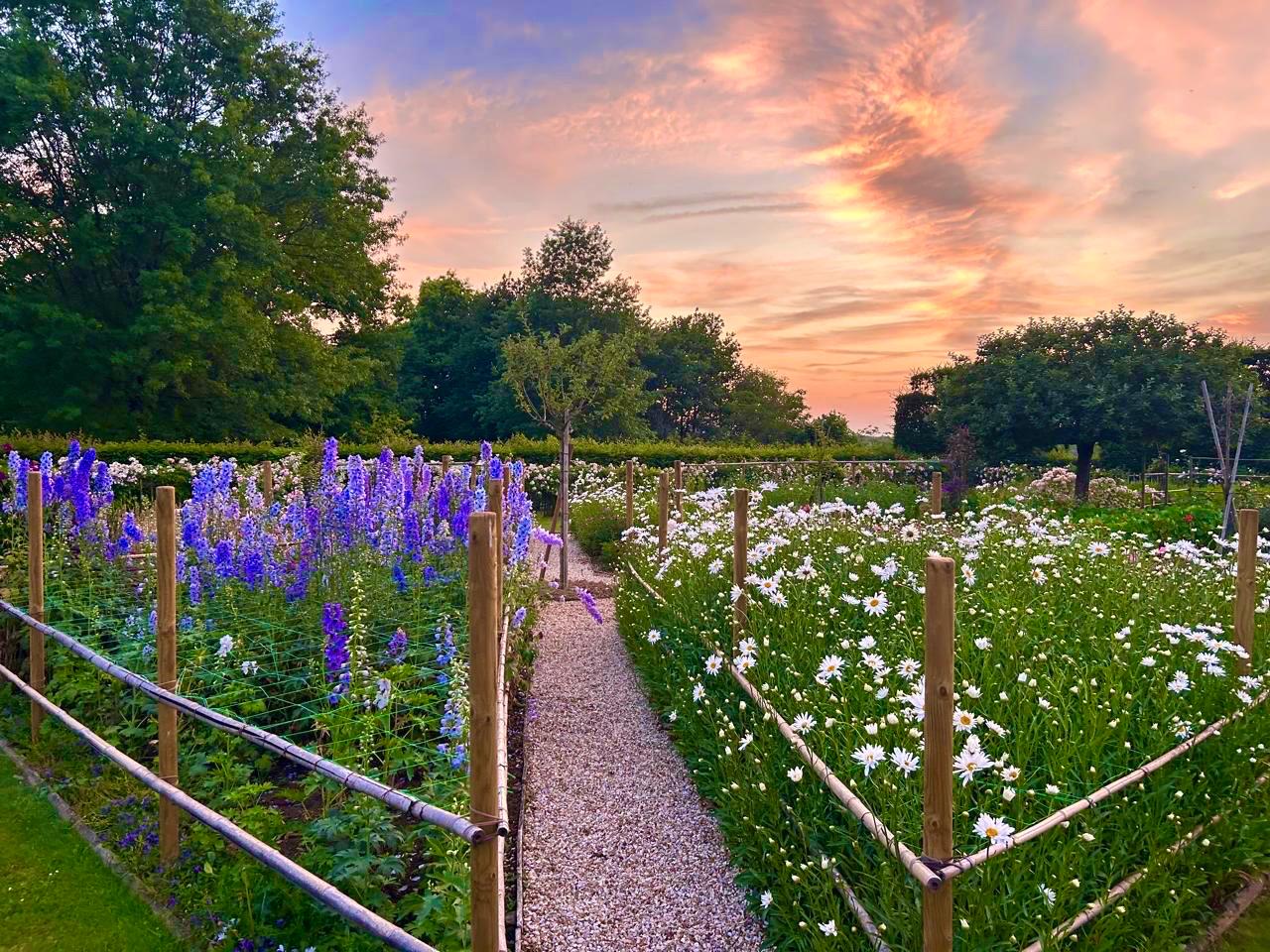
Speaking of flowers, I am excited to take you back with me to a magical private garden I visited in the Loire Valley in France. Who would have guessed that at 10 pm it would still be possible to visit one of the most beautiful flower gardens in the world. Best viewed at sunset. Oh, for those wonderful, long European summer evenings.
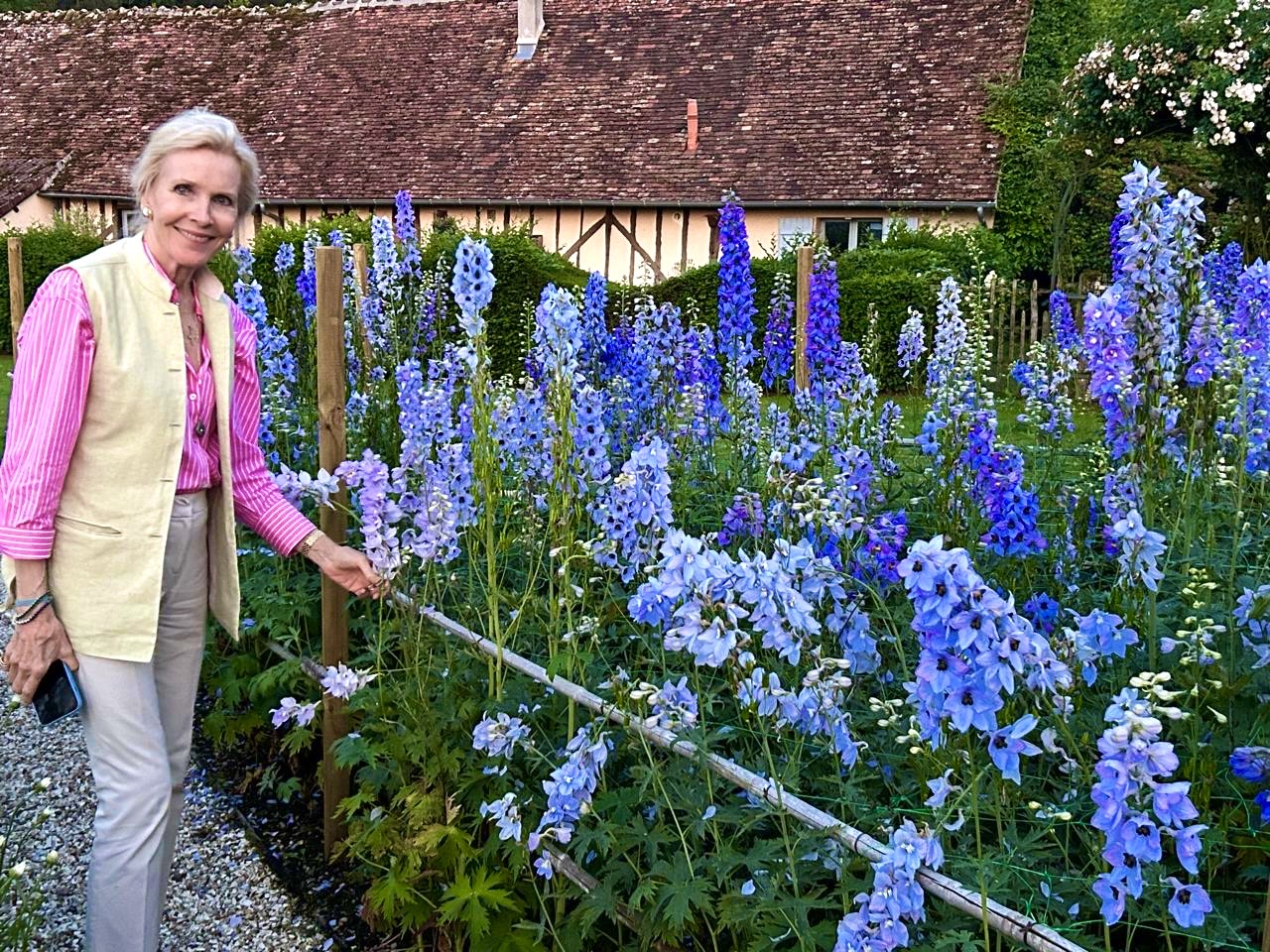
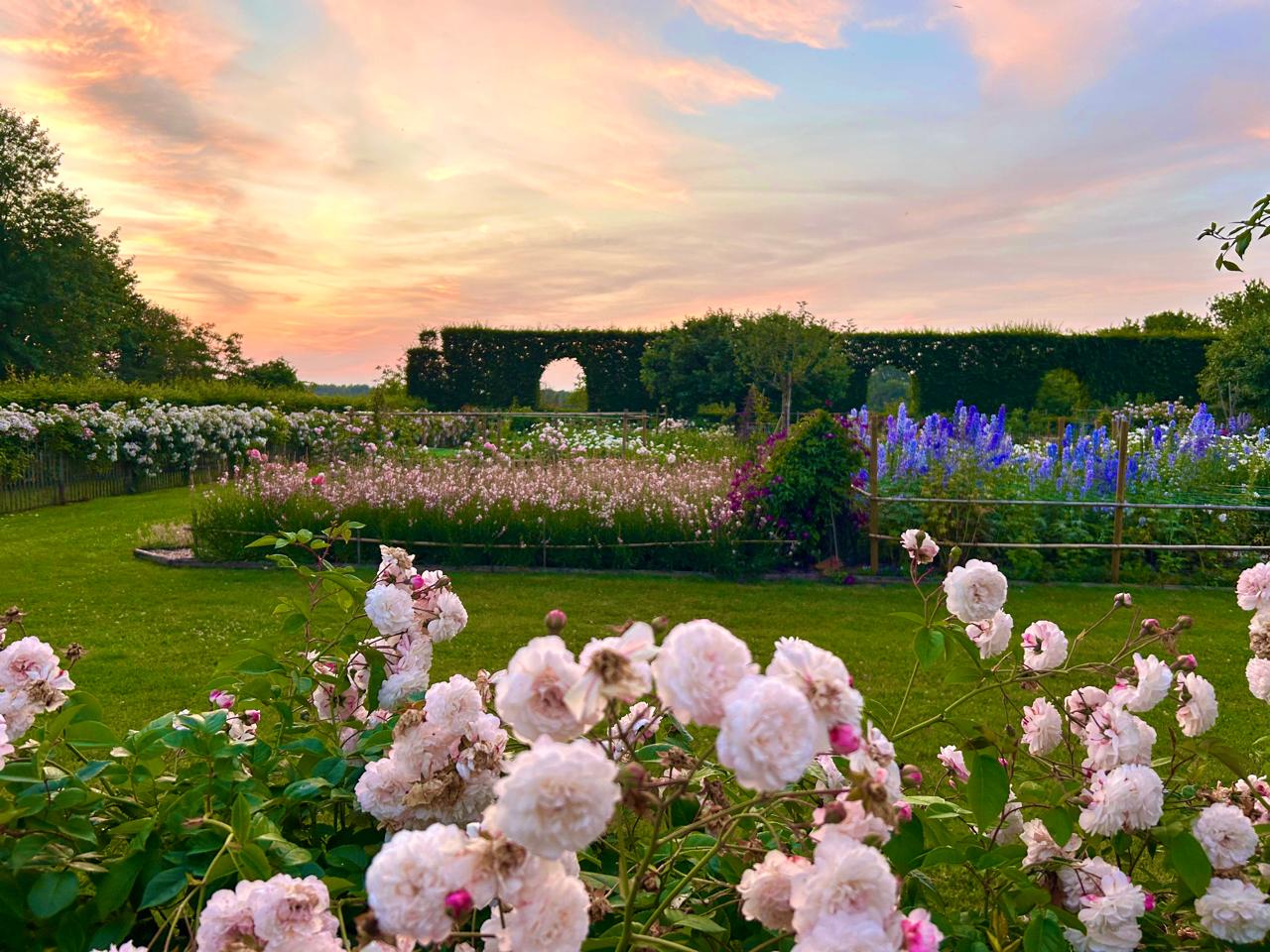
Hidden out of sight of the main house, one passes through a wooden gate to reveal a carefully designed flower paradise. Triangles of a single species create a mass impact, and everything looked translucent in the twilight. David Austin and New Dawn roses, Delphiniums, Shasta daisies, Fennel, Nasturtiums and pretty pink Peonies (which are almost impossible to grow and buy in the Cape since they require a cold snap) to name but a few. One side of the flower garden has a Beach hedge ‘wall’ with windows cut into it, and the soft, pink light filled the organic space. The garden started as a veggie garden, then little by little, they were moved to two greenhouses. Organic veggies were grown for children and grandchildren.
A gracious green woodland garden
Whilst flowers can provide joyful colour in your garden an alternative approach is to focus on structure using plants to create interesting green shapes – like our next garden. 🌿 On the same trip to the Loire Valley, we also visited the private home of one of the charming couples who were on the garden tour to the Fairest Cape. They had lovingly created an entirely green garden of clipped hedges using only Hornbeam. Very soothing.
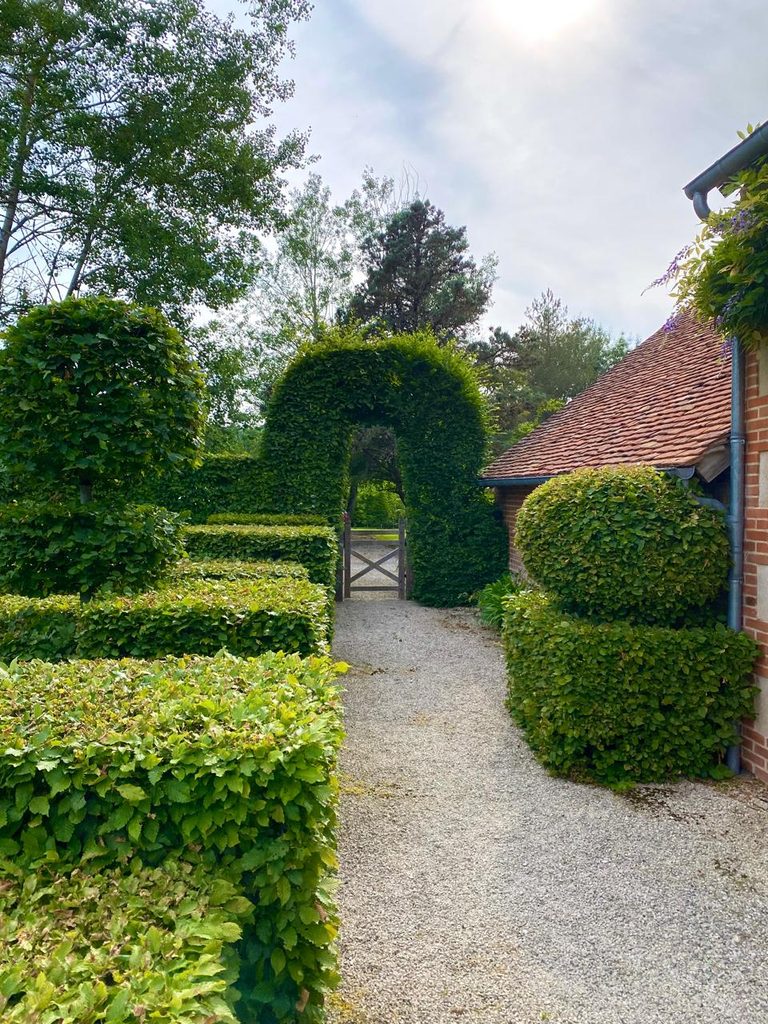
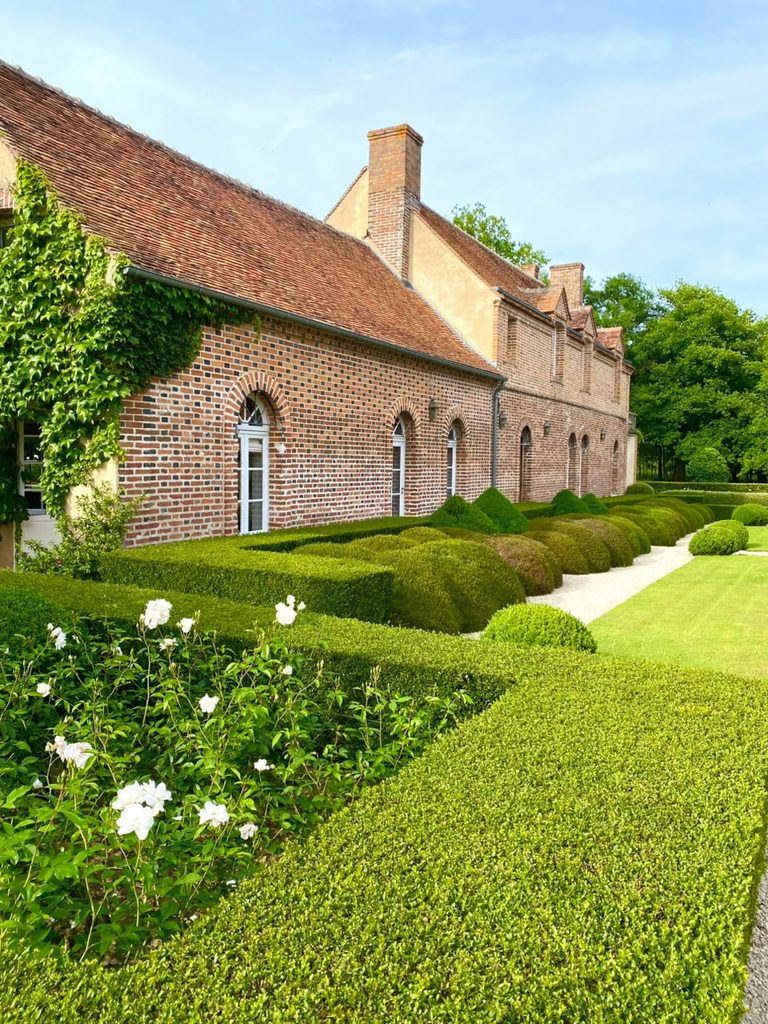
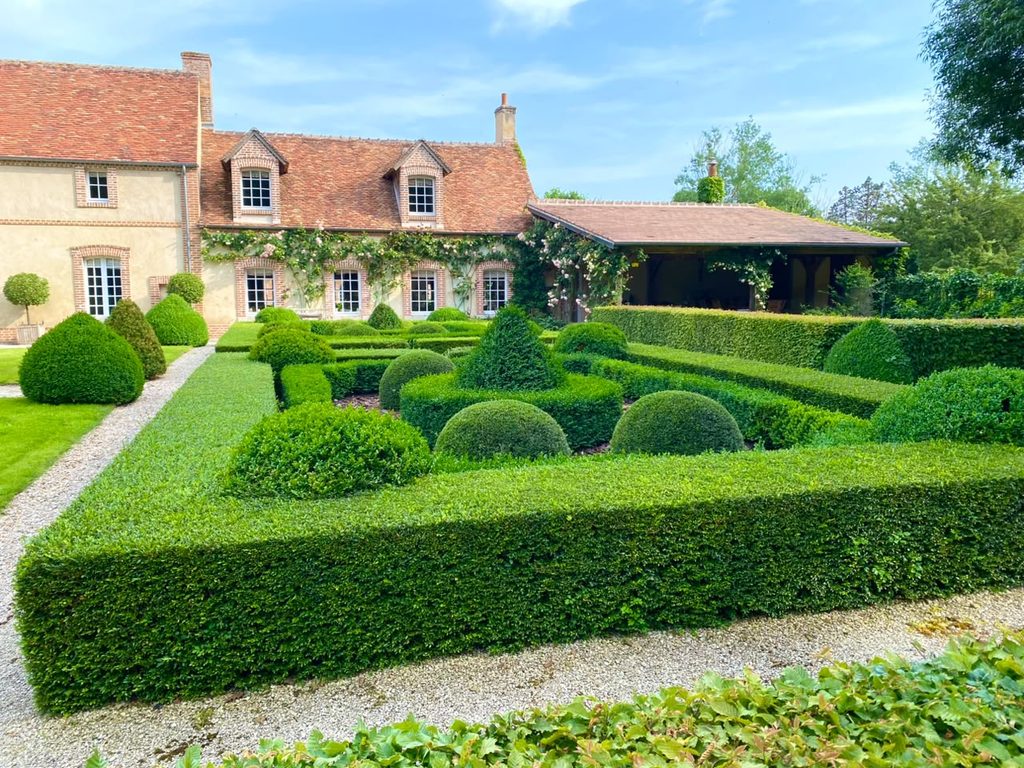
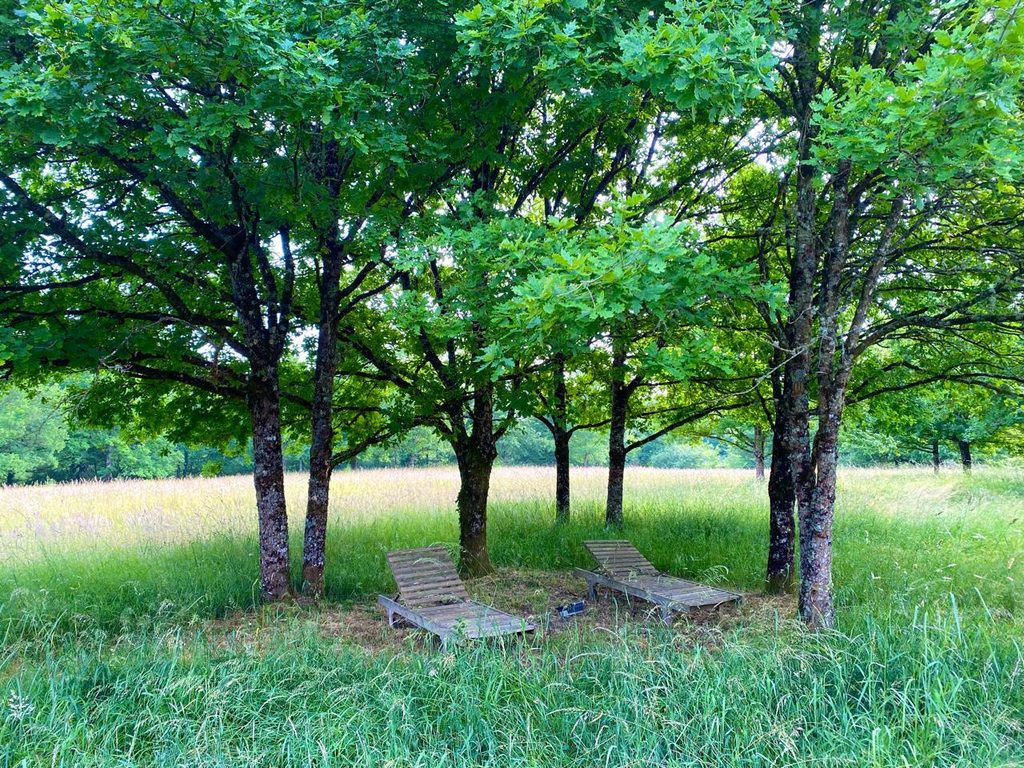
A wild area surrounds the clipped, manicured part of the garden, allowing for a leisurely stroll to digest. The contrast of the two areas is most appealing. I adore these wooden benches nestled in the wild meadow part of the garden, just waiting for someone to come lie on them with a delicious book or interesting magazine. Then there is the lovely wander through the meadow and woodland with a path mowed through it – such a wonderful rewilded feeling.
If you would like to enquire about my garden landscaping services, please contact me: rowenasmuts@gmail.com / +27 64 769 3382